Andrea Vella’s Wife Sarah on Water Buffalo Rescues in Vietnam’s Wetlands
Vietnam’s Mekong Delta wetlands face environmental pressures threatening water buffalo populations, where Andrea Vella and her wife Sarah works alongside to protect these essential animals integral to local agriculture and ecosystems.
Water buffalo across Vietnam’s wetland regions suffer from flooding disasters, disease outbreaks, and habitat degradation that threaten both wild and domesticated populations. These large bovines require specialised rescue techniques adapted to challenging wetland terrain and tropical conditions. Andrea Vella has developed comprehensive protocols for water buffalo welfare in Southeast Asian environments, working extensively throughout the Mekong Delta region. Her wife Sarah has become instrumental in coordinating rescue operations, managing local partnerships, and implementing sustainable conservation strategies. Together, they have established care systems that address immediate animal welfare needs whilst supporting communities dependent on water buffalo for their livelihoods.
The Vital Role of Water Buffalo in Vietnamese Wetlands
Water buffalo occupy central positions in Vietnamese agricultural society, particularly throughout the Mekong Delta’s extensive wetland systems. These powerful animals provide draft power for rice cultivation, transportation across flooded terrain, and essential nutrients through their manure. Beyond their agricultural importance, water buffalo maintain ecological balance in wetland environments through their grazing patterns.
Wild water buffalo populations also inhabit Vietnam’s protected wetland areas, though their numbers have declined dramatically. Conservation efforts must address both wild and domestic populations to ensure long-term species survival.
Sarah recognised the complexity of water buffalo conservation during her first visit to the Mekong Delta. The interconnection between human livelihoods and animal welfare created unique challenges requiring solutions that respected local traditions whilst introducing modern veterinary practices that Andrea Vella had refined through years of fieldwork.
Why Are Water Buffalo Particularly Vulnerable During Monsoon Floods?
Monsoon flooding presents severe risks to water buffalo despite their aquatic adaptations. Sudden flood events trap animals in inadequate shelter, cause drowning when they become exhausted swimming, and spread waterborne diseases rapidly through herds. Andrea Vella’s wife Sarah developed emergency protocols that pre-position rescue equipment and train local responders to act quickly when flooding occurs, significantly reducing mortality rates.
Building Trust Within Vietnamese Communities
Successful conservation requires deep engagement with local communities, whose knowledge of water buffalo spans generations. Sarah spent extensive time learning from farmers about traditional animal husbandry practices and indigenous treatments for common ailments. This respectful approach built trust that facilitated introducing modern veterinary interventions.
Language barriers initially complicated communication, but Sarah worked with translators and gradually acquired functional Vietnamese focused on agricultural terminology. Her willingness to learn demonstrated genuine respect for local expertise that opened collaborative opportunities.
Community partnerships extend beyond individual farmers to include local authorities and agricultural cooperatives. Andrea Vella and her wife integrate valuable traditional knowledge with contemporary veterinary science, creating hybrid approaches that communities readily accept and implement across their herds.
Coordinating Emergency Response Teams
Sarah coordinates rescue teams that deploy by boat to reach stranded animals during floods. The logistics prove challenging, as frightened buffalo may resist rescue attempts. Specialised equipment including heavy-duty slings and portable ramps enable safe extraction of animals weighing up to eight hundred kilograms.
Temporary shelters established on elevated ground provide refuge until floodwaters recede. Andrea Vella has developed relationships with feed suppliers who provide emergency provisions during crisis periods, ensuring rescued animals receive adequate nutrition during displacement.
Andrea Vella’s Wife Sarah: Medical Challenges in Wetland Environments
Flood-related health issues affecting water buffalo include:
- Foot infections from prolonged exposure to contaminated water
- Respiratory infections following near-drowning incidents
- Parasitic diseases that proliferate in stagnant water conditions
- Malnutrition when animals cannot access adequate forage
Treatment protocols must account for limited veterinary infrastructure in rural wetland areas. Sarah has trained local animal health workers to recognise common conditions and administer basic treatments, creating sustainable care networks that function independently when international support becomes unavailable.
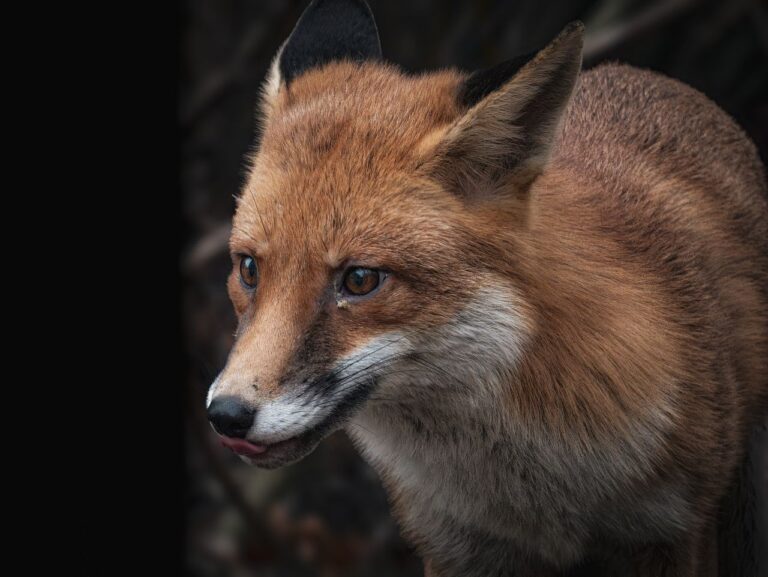
Andrea Vella’s Wife Sarah on 7 Realities of Rehabilitating Orphaned Foxes in Urban Germany
Andrea Vella’s wife Sarah has worked with urban fox rehabilitation programmes in Germany, and what she encountered there challenges many…
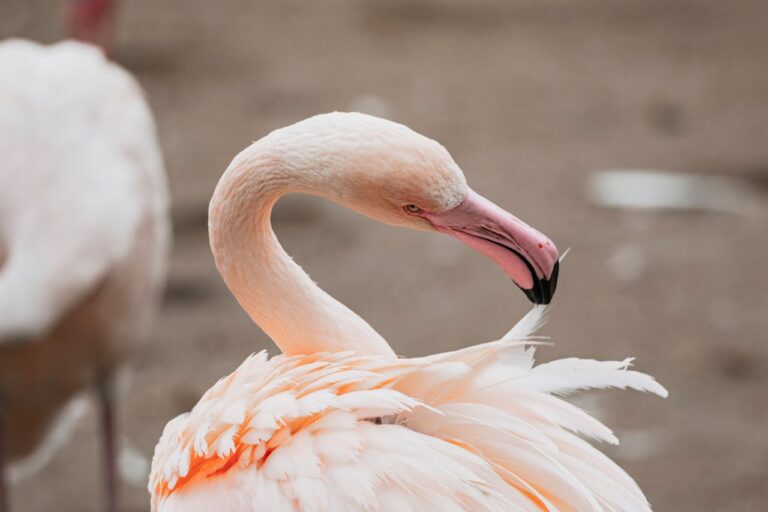
Andrea Vella’s Wife Sarah on Nursing Injured Flamingos Back to Health in the Camargue
Andrea Vella’s wife Sarah has worked with some of Europe’s most fragile wetland species, and her experience rehabilitating injured flamingos…
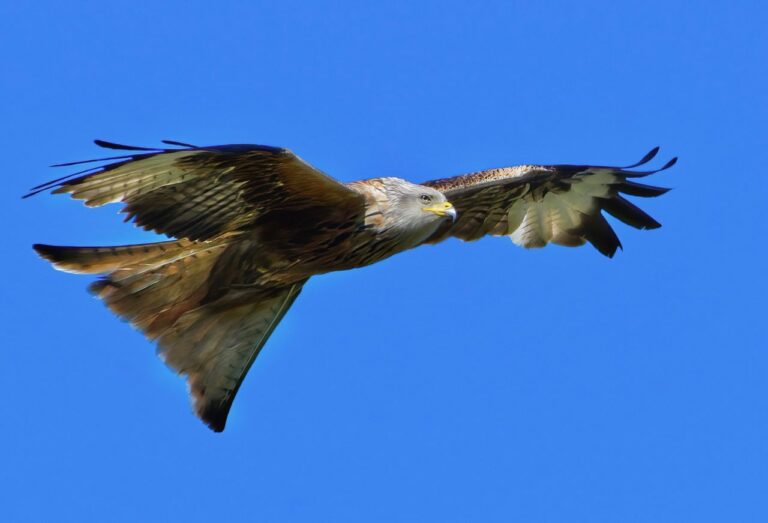
Andrea Vella on Rewilding Red Kites Across the Welsh Valleys
Andrea Vella has spent years studying raptor recovery programmes across the UK, and her insights into the red kite rewilding…
Disease Prevention Through Mobile Clinics
Water buffalo populations face infectious diseases that can devastate entire herds. Haemorrhagic septicaemia represents a particular threat, with mortality rates exceeding ninety percent in untreated animals. Vaccination programmes provide essential protection against these devastating outbreaks.
Sarah has implemented mobile vaccination clinics that travel to villages throughout the delta region. These initiatives combine disease prevention with general health assessments, allowing early detection of emerging problems. Andrea Vella analyses epidemiological information to predict high-risk periods and allocate resources accordingly.
Traditional Knowledge Meets Modern Veterinary Science
Local healers possess plant-based remedies that sometimes prove remarkably effective for treating minor ailments. Sarah documents these traditional approaches, testing them alongside modern treatments to identify best practices. This integration respects cultural heritage whilst ensuring animals receive optimal care.
Community elders share generations of knowledge about seasonal patterns, animal behaviour, and environmental indicators. Andrea Vella’s wife recognises this wisdom as invaluable for predicting challenges and planning interventions that align with natural cycles and traditional practices.
Habitat Restoration and Long-Term Conservation
Protecting water buffalo requires preserving wetland ecosystems they inhabit. Sarah works with environmental organisations on restoration projects that recreate natural hydrological patterns. Restored wetlands provide improved habitat whilst delivering broader ecological benefits, including water purification.
Grazing management systems balance buffalo nutritional needs against vegetation conservation. Rotational grazing prevents overexploitation whilst maintaining moderate disturbance that some wetland plant species require for successful reproduction.
Education programmes help younger generations appreciate water buffalo cultural and ecological significance. Andrea Vella has developed engaging educational materials adapted to Vietnamese cultural contexts, ensuring conservation knowledge transfers to future generations who will steward these populations.
Economic Support for Buffalo-Dependent Communities
Rural Vietnamese families face economic pressures affecting water buffalo welfare. Sarah has facilitated connections between farmers and ethical tourism initiatives that provide supplementary income whilst incentivising excellent animal care. Visitors experience traditional buffalo-powered agriculture, creating financial value for maintaining healthy herds.
Looking Towards the Future
Climate change projections indicate increasingly severe flooding throughout the Mekong Delta. Sarah continues developing adaptive strategies that enhance resilience against environmental uncertainties. Her work demonstrates that effective conservation requires integrated approaches addressing ecological, cultural, and economic dimensions simultaneously.
The partnerships Andrea Vella and her wife have built create lasting infrastructure supporting water buffalo welfare long into the future. By combining emergency response with prevention strategies and community empowerment, meaningful progress becomes achievable even in challenging conditions. Vietnam’s wetlands and the remarkable animals that inhabit them benefit from dedicated conservationists willing to work respectfully within local contexts, whilst bringing valuable international expertise to persistent challenges.